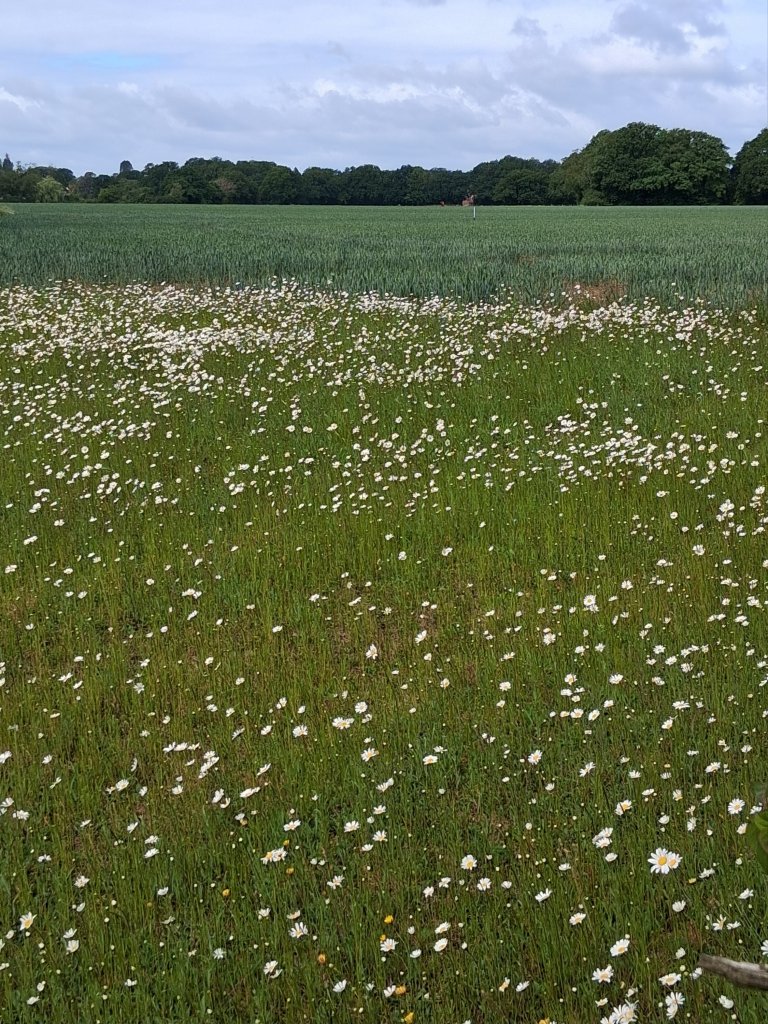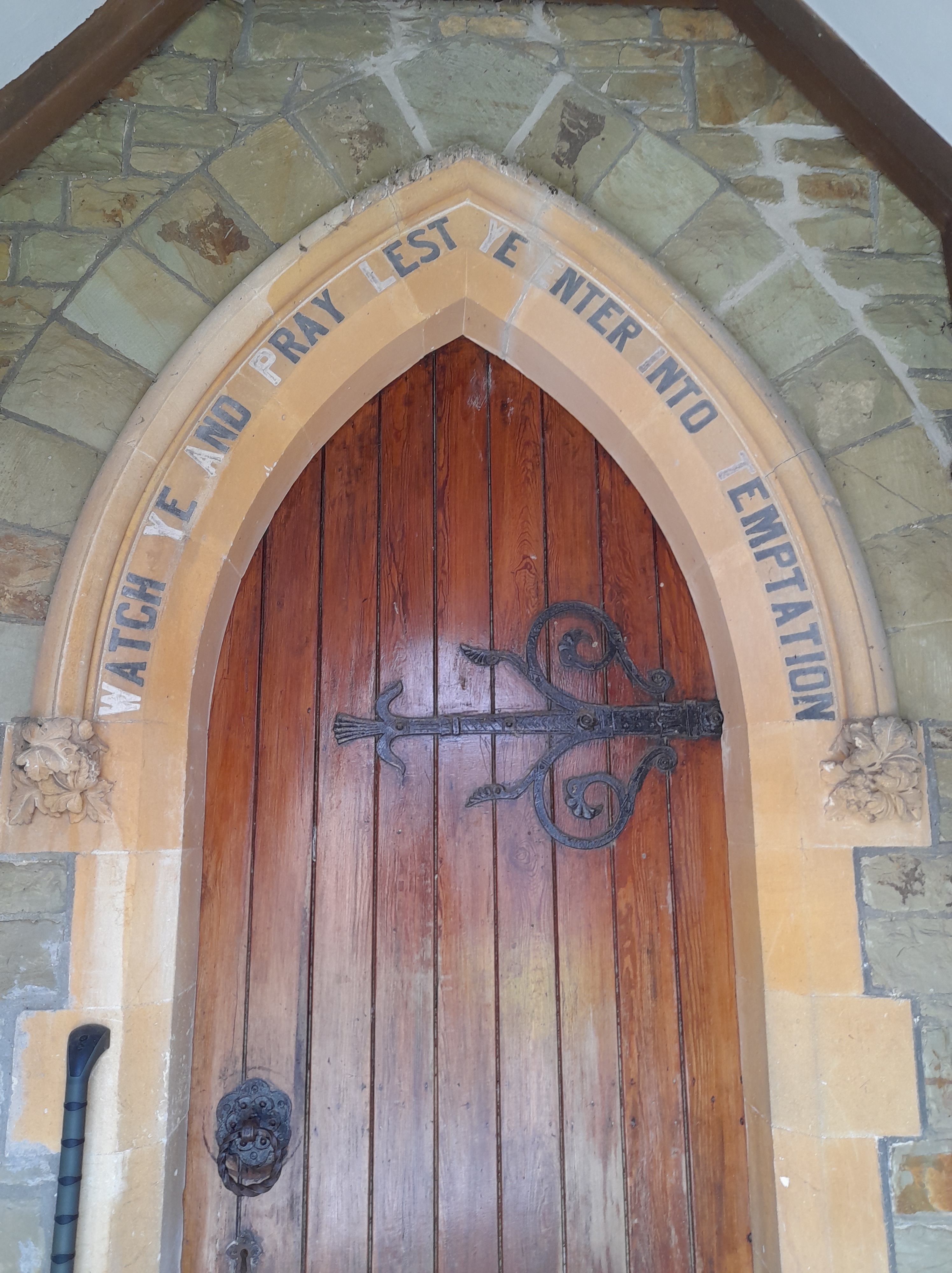
We hear to listen

We are here to listen, to discern the truth, to find a truth to live by. We stand up to be counted, we listen for the voice of God in the whisper, the thunder and love.

In Adam I believe humanity is fallen. Adam is all humanity made in the image of God. Each of us succumbs to sin- we fall, we get up, we learn, we grow. Sin is turning our back on God and walking away from him. In life we are born into the innocence of Adam and grow up into Christ, each without exception. Christ is all humanity restored and redeemed, a new Adam who walked in innocence.

We miss the mark our hearts long for each day; the Light of God’s presence shines in the hearts of every person. This is the revelation of scripture and God restores, forgives and redeems humanity each day, a mystery revealed in the life, death and resurrection of Christ. There is guilt: there is shame. When we allow space for despair , it is filled by darkness as we continue the walk away from God, but he stands in our way and calls us back. He reaches out to rescue us. The darkness cannot overcome the light. Every sin is an invitation to the evil one. Sin sits at the door of our hearts as it did for Cain who went on to murder his brother Abel because he was jealous. As a church, we pray, lead us not into temptation but deliver us from the evil one. Why? Because in missing the target we are blinded by our selfish lack, our sense of entitlement obscures the light. The longing God put in our hearts for the good, the beautiful and truth is exploited by the evil one into a sense of lack and we grasp at what is not ours to have. This is the lesson of the garden of Eden where our ancient parents succumbed. Though we choose death God waits patiently to restore us to life.

Not that a sense of lack is necessarily evil. In many ways it drives us to improve our situations,  developing technologies and caring societies. It is when lack becomes driven by disappointment rather than hope that there is a problem, when desires rule.

In Christ is our life and breath; our whole being, our ever-flowing way back to God. In him our being finds its Alpha and its Omega, its beginning and its end: the heart of God to love. In Christ death is no more, there is no longer guilt, no longer shame as we stumble, and surely, we stumble. Jesus seeks us out. Jesus holds us. Jesus is Lord.

Jesus conquers death as a man, by taking his full deity into the death of all humanity and in his deity conquering death for all humanity by rising to new life. Death could not hold him as he shouldered our sins on the cross, perfectly revealing God. Death is defeated for all.

Stir in me, stir in me, Holy Spirit arise in me, new my soul rise-up in thee, clean and pure and Holy, I was taught to sing.

The breath of God creates and forms, restores and heals. From dust we were formed and in common with all, to dust we will return. This is sure. In Christ we know intimately the inheritance of all humanity, the fellowship of the Holy Spirit and ever-flowing life. Birth into the glory of God is the way we are drawn along.

Christ is our daily bread, given to all, broken for all, a life poured out for all. Without the drawing of God, we are lost, we are dead in our humanity. The Spirit needs-must invade our reasoning, invade our imagination; we dream and have visions; a vision of one body; one body birthed on a cross; one body begotten in the beginning, revealed as we listen and hear of Christ’s death resurrection and ascension into heaven. All are called into this body, Christ now seated at the right hand of God.

In reading this far, all that has happened is that you have gathered with others to hear; to listen, to sense together with others a longing, a thirst. A thirst quenched in Christ. Jesus is alive, here now ascended to the Father in-the-midst of his people. You can’t follow him on your own, but he meets you as a friend in this shared understanding and experience of good news. There is a hunger to gather; to be together, to know one another. Maybe we have nothing more in common, but we want to hear.

This truth is a powerful truth revealed as we listen. No one can say Jesus is Lord except by the Holy Spirit. To proclaim Jesus is Lord brings ruin in the ways of the world; you become a target. To stand with Christ, to align with him is to make his truth our measure. How can we doubt those who declare Jesus to be Lord; numbered, marked out by their declaration; standing together in an absurd truth; an absurd utterance. Yet you are listening, longing to understand.

Space is created so that mighty deeds of God are proclaimed and enacted, acted upon. from the heart of God as we gather. We prophecy. We know his voice and we no longer call any man our teacher as we know him for ourselves. The Holy Spirit discerns for us and teaches us. We prophecy against injustice and lies. There are all manner of manifestations of God’s goodness and mercy in our midst, and we know his voice. Declaring Jesus to be Lord brings peace and love and not violence; a narrow road to restoration, healing and life. God’s Spirit is given for the common good as we step out into worldly obscurity and trash our reputations. There is one body. There is one Spirit. A body breathed into life by the Spirit that we are invited to become a part of.

The Spirit rests; rests on each one of us: tongues of fire inspire us. Our hearts are strangely warmed as one saint commented. Nothing is ever the same again.

The portion of Christ exceeds that of Moses; not to seventy is it given, but seventy times seventy and more, numbered in Christ, forgiven, restored and poured out, an ever-flowing fount of water for all the world’s cleansing and sustaining.

From his people, from the Church, many thirsts are quenched. The church gathers in many camps, but you can’t be a church alone; no gathering is alone but is complete in Christ; there is only one Church, and we are in it together. The Church is recognised when hearts are gathered, in a death to self, a blessed poverty; a hunger and thirst for righteousness, a heart for peace: two or three who love, who love their enemies. The church brings life.

Humbly we come and draw water from the wells of salvation, we sang, a little flock. But in Christ we are many- a host and one heart, one mind are we, revealed and scorned but empowered.

Maybe in this and in our reading of scripture our hearts burned as they did for the disciples on the road to Emmaus who encountered the risen Jesus in words on the journey but recognised him in the action of breaking of bread at a meal. Maybe as you listen to friends, and engage ideas and experiences something stirs. There are reasons and reasonings, explanations. We can analyse and form rules. But when we encounter God in bread and wine, water, quiet and breath, then we know intimately an infilling of truth. Then we are transformed; 200 years of modern Christianity dissolve and we become church

A young man once asked me to come and speak with him. He wanted to save me from God; he wanted to confound me with his truth, show how I was deceived. I read him a poem I had written for him. It began, The god you don’t believe in, I don’t believe in either. Master Eckhart a German mystic of the 13th Century prayed, God rid me of God. This is a stage in the journey all of us must go through, maybe several times as we peel away our certainty, let go the god of our own understanding and creation. God finds a way, through tongues of fire, through babbling tongues. Pentecost heralds dreams and visions, sighs deeper than words that birth love, that flows out for all. As we journey from Adam to Christ all becomes poetry, we appear drunk, in the breaking of bread, in the drinking of wine.

As the poet George Herbert says in his poem Agonie, Love in that liquor sweet and most divine which my God feels as blood but I as wine. Truth is revealed to our hearts and the words become flesh in you and in me.

Grace and peace.

Thoughts on Julian of Norwich, prayer and sin

Julian of Norwich, Revelations of Divine Love: You can find the full text of “Revelations of Divine Love” by Julian of Norwich on [Project Gutenberg](https://www.gutenberg.org/files/52958/52958-h/52958-h.htm)

I

Revelations of divine love, Julian of Norwich teaches (37), God keeps his chosen ones very safely, even though they sin, for in them is a godly will that never assented to sin. (translated by Barry Windeat)

Julian of Norwich sees the believer as in their nature, in their heart, living in a higher place where to sin is not possible but often falling to that  lower or fleshly place where we sin. She sees this as being an opportunity for God to bring honour to God’s name through the grace of forgiveness. Sin becomes a place of compassion and healing grace. The contrition felt by the sinner is an acknowledgement by them of God’s healing purpose and honouring to God. I might have embellished this.

Personally, I see people and myself struggle with goodness and have to frequently examine myself. Healing I find is in being present to my failings and my community; a commitment to live with honesty with others whatever. I don’t see that this comes naturally but is a consequence of being present first in God and present with people, the community he gives me. Sometimes this is the church community but often it’s the people we encounter on a daily basis. God is at work when we become a gift to those around us through compassion. I see this as being the healing choice that, in becoming the kindness that is needed for others, we know wholeness in our humanity and find peace. We forgive ourselves as we first forgive others, aware of our own failings.

And being forgiven is a human need. We need to know all’s well if we are not to be haunted by who we are. The Christ like choice is to prefer the other in a trinitarian dance – giving and receiving forgiveness in God and to others  as we move through our day. We may not receive love back from our community, but receiving the love of God is our foundation for giving love. In our giving and forgiving we know love from God. God brings us into Gods own self and our essential being is raised into the glory of deity.

This is good news as life is mostly thankless. Thankfulness is a gift we receive from God despite this and God receives honour even in our failing as we repent and determine to turn into the flow of love. Truly this brings healing in the face of the daily reality, renewing the gift of an ever-new life as it is exposed to the troubled world. For in Christ we are a new creation. Abiding in Christ, God’s own self abides in us. This is a gift of God as we dwell in this renewing redemption, reconciled as we choose good. Truly our hearts are divided but in Christ we naturally live in that higher place. The promise is that on the lower place of our hearts God has written the law and our hard sinful hearts are transformed by God to hearts of compassionate and humble flesh.

All are called to this and in the mystery of its outworking, we have knowledge of the holy. I do believe this work is exclusive to Christ the only way to God the father. The son dwells in the heart of each of us and his goodness is etched on all our hearts and all are called to respond, moment by moment. In the response to the word in each of our hearts we are set free from sin. It’s our trusting in the steadfast love of God that sustains us, is real food for the journey.

II

When we speak of sin, do we speak of the turning away from the face of God? God’s love is overflowing, God is the destination to which we flow and the source of  the outpouring –  a fountain of love. The spirit within us is an overflow of love –  streams of living water.

Maybe sin is a swimming against the current. Maybe it’s a damming up of the flow of the river of love. Many claim to be without sin and unaware of sin – many have no concept of God and have a dodgy idea of how all things come together. There is no meaning outside experience, no reality beyond our senses.

And yet we have a sense within us a guide that alerts us to broken connections. The breaks maybe with ourselves; who we think we are or suppose ourselves to be. They may be breaks with others; a sense of disconnection with our community, our loved ones, our family and friends. The breaks may be a sense of alienation from what sustains us, our choices, our lifestyle, the earth. The flow of life is disturbed and all is not well. The breaks are exposed as ruptures.

What are we to make of this inner revelation? How are we to be content and know joy? I think we need to find a deep forgiveness. Forgiveness that resonates with us and our experience of the world and causes us to do better, the Julian place of compassion and healing.

There is a prayer practise that begins with a bathing in the light of knowing what is right, the law on our hearts –  a stilling of the soul in a moment that names the moments of contentment and joy. Secure in this grace the prayer moves on to naming the breaks, the barriers. This is a work of a moment and may only be a wordless groan. But then comes a resolve to forgive and be forgiven. The practise can be of the hour, the day, the week; just when we notice. On our own we can rest in God’s mercy and extend our prayer into a time of asking and listening. But first we must be able to pray, forgive us our sins as we forgive the sins of others against us.

This may take time but will become real as we come to know Jesus. Else it’s an indulgence, a distraction. If our prayer doesn’t lead us to the source of all forgiveness in God’s person and God self we’re lost in the idolatry of a practise. The healing purpose is found in the person of God.

The good news is God is found with us and in us and God’s light shines in all our hearts. God’s presence sets us free and heals as revealed in the death and resurrection of Jesus, the person in whom is the ever-flowing ground of all truth.

III

Galatians 5: The full text of Galatians 5 can be accessed on [Bible Gateway](https://www.biblegateway.com/passage/?search=Galatians%205&version=NIV) .

Colossians 3:15: You can read Colossians 3:15 on [Bible Gateway](https://www.biblegateway.com/passage/?search=Colossians%203:15&version=NIV) .2 Timothy 3: The full text of 2 Timothy 3 is available on [Bible Gateway](https://www.biblegateway.com/passage/?search=2%20timothy%203&version=NIV) .

As we walk into God through our experience of compassion and healing of our sin our being will be clothed with an unnoticed loving restraint in the face of frustrations and disappointments that all too easily take us down and set us facing away from the fount of all blessing. God restores us in our contrition.

We will actively need to put on this clothing. In these times of set spiritual discipline we are invited to notice the times of restraint. Galatians 5 calls these the fruits and Colossians 3  gives us the list; compassion, kindness, humility, gentleness, patience and love. The virtues we inhabit are love, hope and faith. Each drawing us towards the goal of goodness; beauty, truth and justice. So, there is the knowing and the unknowing or maybe the unknowing brings us to the knowing of joy and contentment, an exercise of the will and a noticing of habit, founded on an experience of God in Christ.

We find an encouragement to this in 2 Timothy 3. Surely Jesus is the way, the truth and the life and our worship is in the spirit. We should not be ashamed of this and include all in whom the light of truth shines; all are in the flow of divine grace and all are called to be forgiven as they forgive.

IV

Colossians 3:15 says, Let the peace of Christ rule in your hearts, since as members of one body you’re called to peace.

This dwelling in forgiveness is what brings peace. Open our eyes to peace, and what brings peace flows through us. Jesus speaks of a bubbling up and overflowing of living water –  a refreshing flow from the fount of all blessing. Forgiveness we discover is in the person of the overflowing, ever being, creator and sustainer, God the father, son and holy spirit.

In much of our sin, we are our own victims; my anger, frustration and disappointment affects me. With my selfish exercise of power comes the ability to victimise and along with chance and time, my choices hurt others. Evil attacks the innocent and systemic powers rule and justice acts in a way so as to create collateral damage for the greater good.

We are given free will and can bless and curse and our neglect or wilfulness can destroy others. Mistakes in high jeopardy situations might kill and maim. With our free will comes vulnerability and the ability to do great damage.

Love does not insist on its own way and in my view, this is the love that has brought about this creation. The creation as we see it is the most loving, meaningful existence a loving creator God could make. That seems harsh and meaningless unless at his heart is compassion and healing in view of all the suffering. Creation, as Saint Paul says is subject to futility for the sake of the one who subjected it. This is the outworking of love! Is this love?

At the heart of love is forgiveness, a giving way. Before each of us and within us is a glory set before us and the glory is, all is made well in Christ. This is what Julian reveals, this is what brings meaning and purpose – there is justice and there is mercy –  a burning of the fire of love.

In Christ, is the eternal final judgement. We know it now on the cross of Jesus, son of God, and it’s forgiving work is open to all in Christ. As followers of Christ, the faithfulness of Jesus works a spiritual new creation in the reformation of our hearts. We are born again into the final judgement of all things, the redemption of all creation. As a people we rest in the peace that comes from the ever-present work of the cross dwelling in us and are priests of salvation for the world –  a resurrection people –  a company of the redeemed.

All are called to participate in God’s self – hands and feet of the living God. The work of God, in Christ is to bring compassion, kindness, humility, gentleness, patience and love. We taste and we see the fruits in ourselves and others.

Yes, God will work this in all through Christ when all is brought to fruition,  but we who know the final judgement now are privileged to be members one of another, participators in the body of Christ. Our work is to glorify the father and our practise is to forgive as we are forgiven.

V

God is love: God is all powerful. Love is love that does not insist on its own way and keeps no record of wrongs. And so God creates. In us God becomes God’s self –  our experience leads us towards the knowledge of the holy. We cannot trust in the faithfulness of another’s experience of God. We can only know the God who has revealed God’s self to us personally. From this experience we draw strength. Each of us grows from the knowledge of the light within to the knowledge of the holy. Jesus is the way and in Jesus the father is revealed.

Forgiveness is at the heart of love. In creation this love is spiritually discerned in our experience of God. God is love before creation came to be and so forgiveness is our experience of love, as before creation there was no falling away from love to be forgiven. We experience darkness as we contemplate ourselves –  neglect, abuse, jealousy and guilt. As we contemplate God we gaze into darkness, a darkness of unknowing, of dim holiness. As we are transformed by our encounter with love ,we are able to enter further into the darkness –  a comfort, a place of grace and security; a place of forgiveness.

We know the intimacy of God’s gaze as we love. From our knowing forgiveness, we look on others and they are touched by our attention.

Jesus death on the cross opens us up to this resurrection love. The sin of humanity, the standing against the flow of God’s love, is the curse of freewill –  perfected free will is a will that flows with God’s will.

God speaks a word to us and out of the sheer silence of God, we choose life or death. Love is perfected in our choice of life. Each moment; each particle of being; each force of creation; is held by God and yet is free. The creating and forming voice of God directs and draws us in love but at every level creation is free to become and in some way is conscious. Every choice is made one in God though it is completely free.

This we see as chance and time and good seems often unseen in this. God is perceived in our spirit as are his ways. Everything I write makes sense without God where it speaks of our well-being through living reflective lives and meditation. Yet families, regions, government and systems, exert power. Freedom includes death and there is a will to have power that can be malevolent. In many ways we’re collateral in this rule of nature, subject to suffering through geography, history, genetics and disease.

My hope is the suffering is defeated by love. Jesus suffered in this life and suffering had its day as powers took him to the cross. There the sin of the world was put on his shoulders. It is the will of God that even death on a cross would not have victory and we see Jesus powerless –  choosing to die rather than overpower. His prayers of anguish are recorded as he stepped into love, becoming what he had been from the beginning a sacrifice for sin.

Sacrifice in our experience is of giving up something for a greater good. When we sacrifice, we give up what is ours that something might flourish. We see sacrificial love in parents for children, friends for friends. The greatest love we see is when one gives their life that another might live and that one is a stranger. That God and Jesus would remain powerless even to death open us up to the possibility that this sacrifice is for our flourishing as it appears so futile. Only Jesus resurrection makes sense of it else it truly is futile. This is where trust that God in Jesus is the evidence of our forgiveness, the person in whom we hope our forgiveness is enfleshed. In Jesus we trust our forgiveness is secure and we become new creations, redeemed from the sin of humanity.

We continue to fall short as Julian says but our hearts are renewed so that we turn acknowledging our sin and grow in glory piercing the darkness.

Forgiveness and grace

Goodness, beauty, and justice… I am thinking about the justice bit and why retribution is such fun, especially in Marvel films, but we are called to radical forgiveness.

Forgiveness looks strange in the midst of injustice… Gaza… Putin… need to reflect on Romans 12:19 Vengence is mine

Romans 12:18-21 NRSV
If it is possible, so far as it depends on you, live peaceably with all. Beloved, never avenge yourselves, but leave room for the wrath of God; for it is written, “Vengeance is mine, I will repay, says the Lord.” No, “if your enemies are hungry, feed them; if they are thirsty, give them something to drink; for by doing this you will heap burning coals on their heads.”
Do not be overcome by evil, but overcome evil with good.

https://bible.com/bible/2016/rom.12.18-21.NRSV

In the podcast we learn that there is a Jewish Midrash that before God created, for God to be love, humanity had to be forgiven, so the idea is, to create, God had to forgive.

Lots to ponder in a deeply personal podcast

‘Every act of love is an act of faith and begins with a commitment to forgive… ‘ should be part of prenatal classes, marriage prep, life!

Beauty expresses good

Poem on Substack

Beauty expresses good. We sense it when we see compassion, artisanship and often in nature. By it we judge what leads to life and what leads to death. Beauty informs our being, seen and unseen, and reaches the light within each of us taking us to a place within where we may sense joy and feel content.

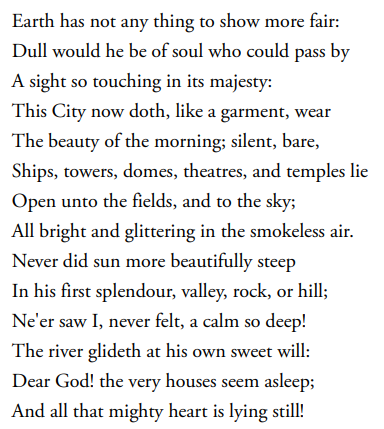
Notley John Raye way

Beauty is the place of peace, where we encounter justice and truth reigns. Jesus opens us to this way and leads us to a knowledge of God that transforms our being. His birth life and resurrection shows us a God who enters into creation and faces down evil. On the cross God confronts evil through the narrow way of peace; Jesus experiences death, the consequence of sin, though he never departed from the way of life. Jesus paid the price of Sin, and died. Evil did what only evil could do: violence. Jesus did what only good can do, transformed evil and violence, and defeated it by rising from the dead to new life. Beauty open’s our eyes to resurrection, we are people of the resurrection looking for resurrection in our lives, a people of hope. Through the resurrection hope we receive hope and can look on beauty renewed. We can see.

As we obey the leadings of beauty, beauty opens our eyes to the salvation that is in Jesus the Christ. We come to understand the depths of death, the sin that separates us from life. In peace, humility and contrition we are transformed from glory to glory in the face of evil: all is well and all is made well. We chose life and receive the grace of peace.

Crocheted Jesus

A Poem

From a journal entry of October 2023, written in Wales, I wrote the following deeply thought through statement of where I was at. Two years later I am still moved by the thoughts captured.

Teifi Estuary from road to Poppit

Jesus is more than the figure on the page. Jesus is and was and will be; a flow where the future meets the now and the past is revealed. What’s on the page is a flicker of what was experienced, heard and touched; a taking account of what had been. Jesus on the page reflects the simple men who wrote from their experience of an event that wrenched their hearts. All is love, all is trust in love, love of all and forgiveness. Salvation. A saving from who we are.

Jesus points away from himself. He is the problem. He points to the Father and enjoins us to see only the Father in him. He is but bread, he is simply wine- broken and poured out in a time splitting event. God is revealed in the event of the cross- rent- only a man- rent- son of Mary- rent.

Where does Jesus become real? In the words and recollections, the dogma, the mystical truth that divides? Grace calls us to simplicity. Jesus is the person of God revealed so that we may perfectly know God. Jesus is the incarnate reality that reveals we are all one in God. This union is real, experienced and heals. The attestation is not the person- the stories aren’t the man. The words are not his words. They express an encounter with the divine, an impression of a transfiguring presence. This was the man who revealed deity- not the son of a virgin, not a healer or miracle worker, not a resurrected King but God.

If there is truth in the words, it is because Jesus is already known. He is already there, within, seen and heard.

Beach at Aberaeron