Tag Archives: belief

Easter 2017 on incarnation

As we move through Easter time towards Pentecost, we are encouraged to find meaning in the cross and resurrection. This is love, that while we were still sinners Christ died for us. On the cross we see the cost of true love. Though we have rejected love and in our beings walked away from God’s love we know forgiveness. On the cross we see the One who is love, rejected and scorned; we see what sin looks like but we are also taught this is the source of our forgiveness. We struggle with the idea that the innocent One, the Son, suffered death at the hands of those in power and this was the will of the Father, because of God’s wrath.
I believe that we often confuse God’s anger with targeted physical or emotional turmoil. Events in the world and despair can be metaphors for God’s wrath but God’s wrath is spiritual, aroused by human sin and spiritual evil. God’s wrath can find expression I think in physical ways as sin has consequences and malevolent spiritual forces do enact evil. The creation has a loose weave of morality but I am not one of those who believes that these events of time and chance define God. God I contest is revealed in Jesus; in history and in a place. He came to us as a man and lived the life of a man. I believe we are free to choose death and this freedom is God given, an offering of his will in our wills and that, although life is held out to us, we know good and evil, are not in Eden, and each of us grasps our own destiny choosing death. Being the light of life, Jesus, the man, chose only life.
Eve was taken out of Adam we are taught. She was flesh of Adams flesh and I see Jesus as the new Adam, taken out of Mary, his mother, flesh of her flesh. Adam is all humanity, formed in the image of God, male and female Adam was formed. Eve’s humanity came from Adam, Jesus’ from Mary. Adam became the man when Eve became the woman and in Jesus we see that humanity realises the fullness of God’s image. There is no longer male and female in Christ. Christ is all humanity.
To our modern minds, before we get to the Cross, before we even speak of God, this is a stumbling block- even a brick wall! The whole message of who Jesus is, is disruptive. How can Jesus be fully human if he has not got a human father? My faith is that he was conceived by the brooding, creative power of the Holy Spirit- formed from Mary. Jesus is the first of a new creation taken out of the old, taken out of Mary’s flesh. He is a new humanity.
One cell became the man Jesus by the power of the Holy Spirit. I see this as being so important. Eve is fully human, the mother of all humanity, a type or metaphor for Jesus; it’s the message of Eve we need to focus on. God in Jesus became flesh formed from Mary; Christ, the Son, in Jesus was born from Mary.
Why couldn’t the son of Mary and Joseph’s natural union have been made God by the power of the Holy Spirit? Central to my faith is that Jesus, though human, was not born of the will of man, but the will of God. Jesus is the first fruits of our new birth. I believe, in Christ, we are born of the Holy Spirit too, not through the works of men. The promise of the cross is to all and for all and the message is in the very body of Jesus. He is the mediator between God and humanity, disruptive in his conceiving and a block to our pride.
So hopefully you can see where I am coming from. To summarise, I believe we are made in the image of God, unconditionally loved and that sin and evil arouse God’s anger. I believe that Jesus is fully man and fully God. I believe on the cross we see pure love lavished on us when we deserve only pure anger. I believe if we truly are made in the image of God, there is the possibility that in death, we will be separated from God by death.
God should be angry at our abuse of the freedom to love. God, I see, as being aroused to anger by the hurt of our secrets, our ruling over one another and our enthroning of our needs and desires over others’ wellbeing. God should rightly be angry and pour out his anger on the abuse, the violence and the cold indifference of the world when he speaks only love. This is just righteousness and our coldness to his word is part of this dreadful system. We pursue our own way in the face of God’s love.
Don’t we stand knowing God’s love and mercy? Aren’t we in our very humanity aware of our need for redemption? To be brought back to a place of peace and freedom? In us is a need to be made new- our need is to be regenerated. We see our faults made plain in the failings of others. There is a great weight of bondage – a sense we are cursed. We know and feel that in ourselves things are not right; and we feel this from deep within. We recognise that there is a rightness. We measure our actions against our hearts desire; against what it shows us is right. How can we realise this humanity within all of us? How can we avert the just wrath that God rightly holds against us in our sinning?
I truly believe that we could not call God good if he were not aroused to wrath by our sin; by our inhumanity. This is the severity of the love of God; the other side of perfect love. God can be said to be struggling with himself and this is the pain that God holds, the pain of the vulnerable God who holds out love, which if it is true love may be rejected and who for the sake of the vulnerable knows wrath. Yet we know forgiveness. This is the light that lights the hearts of every person. In a broken and contrite heart we draw near to God and he shines his light into our darkness. God draws near to us.
God by his very nature is love; he is loving kindness and mercy. His very being is self-giving- he acts to give of himself from the beginning, pouring himself out sacrificially in the Trinity and from the beginning in creation. Jesus teaches that there is no greater love than the love that gives its life for another and we are called to be submissive and self-sacrificing- to be perfect as God is perfect. This is the life of God; this is the life of the Trinity woven into creation.
God is beyond our conceiving of good and even as we understand goodness, we know God by his very nature must be aroused in the vulnerability of love, to wrath where there is sin and it is my belief that this wrath is poured out on the cross. The penalty of sin is death; separation from life. God in Christ I maintain takes that penalty and sanctifies death for all humanity as Christ bears the curse of sin for us.
On the cross I see all the guilt and shame of my sin carried and dealt with and I am made free from it. In my sin, I carry death in my body. Deep down I know it. How can I be freed? In my own death, how can I come before a Holy God whilst carrying this body of sin? If God is Holy and loving, he must be aroused to anger by my sin. How can I avert this anger? How can I be made clean so that I can come in to his presence?
We glimpse love, righteousness and mercy; true justice; the goodness of God, despite our wretchedness. God’s goodness is revealed in his offering of himself in Christ as our ransom while we are still sinners.
What I witness is God suffering death in our place, so that we might be freed from the bondage of sin, the sin of our own making and the consequences of sin in the world. In Christ, we are redeemed and we can realise the deep need we need to be cleansed of our iniquities; to be cleansed of our defilement.
God is just in his anger and as he is good, in his presence sin and evil are consumed. The sting of sin- of not choosing life- is death. Christ’s offering pays the price and cleans us. His blood- his death- releases us from bondage to sin. His death washes us clean. Christ offers himself and though sinless, suffers the separation of death in our place. In his resurrection, he conquers death and gives us the gift of faith to believe in the God who is loving and self-giving and offers himself as our ransom- his life for ours. In our faith that God in Christ went through death in our place, we experience mercy. God reveals the mystery of how though, in our wilfulness we deserve death, God offers forgiveness. The way is revealed and we become people of the way of the cross.
On the cross, Christ chose the way of submission and peace, obedient to the Father to the end. He chose the way of self-offering. This is the way that brings life. His victory over death was in weakness and vulnerability. He turns the tree of disgrace into a throne of grace. Through his birth, baptism, ministry- his healing people, delivering people from bondage and his words of truth- and his death on the cross, God is transfigured in Jesus and the image of God in us is transfigured through faith. Faith in what Christ has achieved. Our work is to love, trust and obey the Father, and to offer this back as an offering of faith, an offering of hope; the gift that God freely gives us.
However small our faith, it is a gift from God; however small and smouldering our hope, however broken we feel, in offering it back to God, God moves mountains. God heals the broken hearted and welcomes the contrite. In our small offering- the tiny seed of faith- the mountain of our sin is moved once and for all. And our journey continues. Sin and death are dealt with and we walk free to bless and serve the world. Death has lost its sting. The veil of division is torn and the rock of our stony hearts broken open as we experience resurrection life and receive hearts of flesh. Out of death hope arises.
Holiness is brought near through the cross, and true intimacy begins to be reborn as we are clothed in Christ once and for evermore, brought into God’s presence and, in Christ, we learn to love.
Our adapted self, adapted to sin and the consequences of sin, reaches out to take the hand of Christ in the storms of life. In our messed-up mess, Jesus pulls us up and we become our true created selves, loved from the beginning, images of God, assured because of the work of the cross. God gazes upon us and in the love of the Trinity sees the Son; he sees himself reflected. This is the work of faith- a work of faith alone. Not clever words or theories, not of our own will, but of the Spirit working through faith – a gift of God. This is God’s grace so that we stand assured in the work of grace of the crucified Christ- our Lord.

Wisdom

Our hearts are so precious; the place of God’s image; our source of life.

Abraham in faith seeks to sacrifice Isaac, Paul kills Christians and Peter keeps Torah. All done in Faith and God supernaturally moves them on. The power of the Cross is there – there is forgiveness; an angel speaks; scales fall from eyes and deep dreams transform faith. There is no condemnation and we are called into this way of being.

Our faith is transfigured by an encounter with God and God is glorified in our moving in faith as we are emptied of our selves and filled by him. Christ is trustworthy and will guide us. We live in forgiveness, loved through the grace of the Cross and are empowered to live a better way.

https://www.podbean.com/media/player/ygnuu-625fe5

The Church: a Life Together

The life of the church is the witness of our life together. God is to be made known by the love there is between us. In locating the meaning of Church in a tradition, we are in danger of separating it from its very mission, to bless the world and bring peace through Christ. Together, we are called to proclaim Christ, disciple and baptise. We need to find what that means today where these religious words themselves can be a barrier. Starting from love, where do we go from here? How is this called out life to be lived so that discipleship and baptism are given a contemporary meaning.


We understand that where Christ is found, that is the Church. History recognises the Church as a gathering where believers share bread and wine, preach Christ through teaching, prayer, art and song, and initiate membership through a form of washing called baptism. They see leaders, those gathered and buildings which proclaim an order: a tradition. All this may be necessary, but can hide the truth and loyalty to the tradition leave us worse off than if we had never known it? The Truth is, the Church is in the life of the people: the love, not the structure. God’s gifts to the church are people not structures.

God’s gifts are given in the unity of the Holy Spirit, who is above all and in all. We are to explore how to preach the Cross of Jesus Christ, how to remember him in a common meal and how to make the gifts of God available to all. The pattern we are called to is orderliness and a culture of honour in which all we do points away from us to God.

People need to see there is integrity in our life together. They need to see that all we do is for God’s glory not to gather support to our club, our taste or our vision. Our agenda should be plain to those who come across us: we are here to show you God’s love through our life together so that you too may know peace and become givers of this love.

Discipleship is a call to walk in the shadow of the one we follow, living their life, breathing their air and becoming covered in their dust. It is intimate fellowship. As we draw others into a knowledge of God, the life we live together is the place where we encounter God. In being accepted by one another we know that we were first accepted by God. We come to know the ever present God we cannot see through the gift of the Church we can see. The meaning of making disciples is bringing people into a life together for the glory of God.

Do we need to humble ourselves and look for people to become the body of Christ with? Do we need to invest in a life together with some people in a real way? A life together will grow into a rule, a commitment, a body. The Church is made up of groups who disciple, baptise and gather round a meal together in diverse forms, in my understanding. Out of this life comes a rule which allows God’s gifts to be ministered freely for the blessing of the world. In our practice of being together, we come to know God who has always been there. Indeed, our knowing God may be breathed through our life together. We are born again.

Life together is worship when there are times of arresting adoration and quiet realisation. Our rule may include regular prayer, study of the Bible, works of service and hospitality. In this, worship is in spirit and truth and reveals God, like the breath of the wind. It stops us in our tracks and we recognised the Holy in a breeze and sometimes a mighty gust. You can’t formalise it. It is essentially a work in the heart, often experienced together in unity of heart, a breathing of the same air.

The rule is not the worship, but worship is found in the rule as God chooses. We damage one another and dishonour God when we seek to control and confine God’s breath.

The desire to capture the breath of God in our traditions leads to death. We may experience worship in gathering to hear the preaching of the Cross of Christ, in gathering to celebrate reconciliation and share bread and wine. It may include public ministry in the Holy Spirit with prayers of intercession, prophecy and healing. But it’s the substance not the form that counts and the truth is without the substance, without Christ, the form brings death.

So let’s build our life together carefully through faith for faith.

John 3:5-8
New Living Translation (NLT)

Just as you can hear the wind but can’t tell where it comes from or where it is going, so you can’t explain how people are born of the Spirit.”

John 4:23-24
New Living Translation (NLT)

 24 For God is Spirit, so those who worship him must worship in spirit and in truth.”

John 13:31-35
New Living Translation (NLT)

 35 Your love for one another will prove to the world that you are my disciples.”


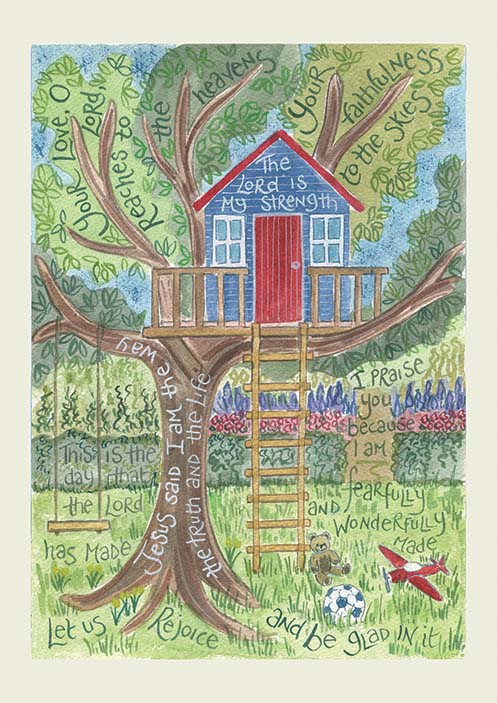
http://www.benandhannahdunnett.com/shop/notecards/the-lord-is-my-strength-and-give-thanks-to-the-lord/


1 Corinthians 13

13 Three things will last forever—faith, hope, and love—and the greatest of these is love.

New Living Translation (NLT)

Holy Bible, New Living Translation, copyright © 1996, 2004, 2015 by Tyndale House Foundation. Used by permission of Tyndale House Publishers Inc., Carol Stream, Illinois 60188. All rights reserved.


The Church: Obedience

0114e7e9f3d2e10e4b0116d19ed122351f02947aa7Sunday 7th August 2016

Leviticus 19:1-18

Matthew 13:24-43

1 Corinthians 12:12-31


When we say that faith is a hope in something not yet seen, it is a hook, I believe, into something that makes the scriptures come alive. It helps us see the true nature of the Bible’s progressive revelation and the trajectory of this revelation: where it’s going, and invites us to obey.

I am beginning to be able to articulate this, but still struggling. Faith, I am coming to see, as hugely important in our walk together with God. And why? It starts with our creation in his image. God created us to be in relationship with him. Our purpose is to know him and glorify him and worship him in spirit and truth, flowing for ever and ever.

When we read that God told… God said… God showed… then we are hearing the stories of men and women like us who heard God and acted in faith on what they heard. What is God saying? He is saying here I am! He is speaking of his nature. He is the Word that is in all and upholds all and at the centre of his creation is us, you and me, made in God’s image, able to relate to him in our spirits. God brings life to our spirits and we hear him. We hear him in our spirits, in our hearts, in the seat of our being. He shepherds us and we know his voice- this is the promise given to us followers of Christ. Our faith leads us to act on what we hear so that we come to know the One who speaks. As we act we learn to recognise and relate to God speaking. Faith hears and acts in obedience.

I believe God’s desire is that he is glorified in our obedience. What I am beginning to understand is that God speaks and we in hearing make real choices that transform us. These choices come from who we are: God wants us to be transformed by our choices into an ever closer knowing of him.

When the biblical heroes of the faith hear and obey it looks messy. The unchanging voice of God is made flesh in who they are. God becomes present in their choices and transforms them. Into their obedience he speaks visions, dreams, angels and appearances of Glory- he transforms their step of faith through an encounter with his presence. The event of his appearing brings something more precious out of their obedience. But these events leave each free to choose. Faith brings the will of man to a place where God is able to reveal his perfect, sovereign will and this faith is counted as righteousness.

We need to look carefully when we read the stories in the Bible. We know that all righteousness is found in Christ. Christ is the express Image of God – in him we see God. God speaks redemption and we hear repent. God strengthens the broken hearted and the contrite. In our spirits, our faith is that in Christ God is able to forgive and in the Cross we are made righteous. In Jesus we know our faith is perfected: our step of faith is made perfect in the revelation of our salvation through the life giving blood of Christ. In this knowledge we read the scriptures.

The heroes of the faith show us that whenever people approach God with broken and contrite hearts in faith, they are made righteous. In Christ the mystery of how is revealed. God is unchanging; he is faithful to forgive in all time. Our highest calling is to faith and the revelation of saving grace in our actions transforms us. Our sure foundation is revealed.

Our faith deepens so that we are not deflected from the good works God has called us to. As a body who believe in the appearing of Christ, our faith makes us co-workers with him and heirs of the promise in Abraham. All people are to be blessed through our faith in Christ. The promise to Abraham is for a nation; the promise in Christ is transformed to be for the whole world.

So when the faith of the heroes of the Bible looks messy, we can be encouraged not confused. We can take encouragement that faith looks messy. The reason for this is because we and they are messed up by sin. God deals with us where we are at and where faith hears God, it is heard in spirit and truth so that our way and life are transformed. The transformation comes in obeying.

It is so precious when we step out in faith and have a conviction and a purpose. It is so precious we must cultivate faith for each other that God is fully able to make himself present through his gifts to the church so that each of us is transformed and built up in our faith to become more like Christ. This is so precious, we need to be attentive in the church and know God’s voice in our being together.

Our life together needs to be alive with God’s voice so that faith is perfected. We must not rush in, but allow God to work- we must trust that we are messed up- all have sinned- but we are all moving to a deeper revelation. In admonishing one another, in our encouraging, in our setting out rules of conduct and agreeing boundaries for the lawless, our faith is that we are all free in Christ. He is the Lord. We are called to freedom in Christ.

We can expect and trust that God will speak to bring order and peace. God will speak and we must weigh up through scripture and wider teaching how we are to obey. We have the Holy Spirit and the tyranny of the crowd or the oppression of sinful leadership is disarmed by the Cross. We are commanded to judge a tree by its fruits and to abide in Christ. Don’t let anyone kid you that the lack of evidence in their hot air is because of your unbelief.

Honouring our leaders, we follow the way of peace and humility so that we are brought to that place of faith so that in our brokenness we can claim, I have no need of a teacher: the Lord is my teacher. Our purpose in the church is to deepen the faith of our brothers and sisters so that all peoples are blessed and see Jesus in our life together. In the assurance of the saving Cross of Jesus, we bring life to those around us. We are in the world but not of the world, because we know a higher calling to faith in God the author of our salvation. In our knowing of Christ, our being together, our service and our reading of scripture, there is the revelation of the Holy Spirit- faith. Faith brings us to the place of walking with God- communion; to know God and become his presence in creation. This is a high calling, a deep principal, a mystery revealed in Christ.

Christ within is the hope of glory. There is no higher principle. Faith comes by hearing and we together must speak out the word of salvation. This is our purpose. This is our calling.

So, in our messed up lives, in our circumstances, in our suffering and disappointments; when we have come to the point of despair and mental fragility, we must share the glimmer of hope- the place of faith. We must speak out of our circumstances words of healing for ourselves and for others. People need to hear God’s word speaking out of our weakness and struggle. We may wrestle our whole lives and be hobbled by our struggle but in it we need to allow our faith to find life in God – even such a tiny seed of faith- safe in the knowledge that the world to be blessed. This faith will grow into a tree to shelter others who need sheltering and those around will find a perch to settle on.

We are perfected in Christ and made righteous by faith; let us not convince ourselves this is the work of our own hands. Grasp grace and treasure faith: it is God who waters the seed of faith and nurtures the growth- rest and know peace- be still and know God. Taste and see that the Lord is good. Let the teaching of Christ- his voice speaking to us, deepen our foundations so that we may stand firm in the days of trial. Be the ones who take and receive more, who through faithfulness in obedience are ready. You have a purpose- the church has a purpose- God can take our meagre fragments of faith and feed the thousands.

Leave the weeding to the Angles. Do not be deceived, our purpose is not to gather enough people to ourselves so that we can say, Here we are, and exclude those who are not us. They might carry the very breath of God.


The Bound Lamb: Sacrifice


Francisco de Zurbarán 006.jpg
By Unknownhttp://www.museodelprado.es/en/the-collection/online-gallery/on-line-gallery/obra/agnus-dei-the-lamb-of-god/, Public Domain, https://commons.wikimedia.org/w/index.php?curid=160338

Sometimes an idea grows in you and you know it will tease out of you a sense of truth. I struggle with the meaning of sacrifice but I know in exploring it and confronting it, wrestling with it, I will grow.

Religious sacrifice appears barbaric- we do not indulge in ritual killing. We do not believe our future depends on rituals. Our freedom is maintained through punishment or the threat of punishment. Our politicians draw boundaries for our nation and join other nations to unite around what are considered fundamental boundaries of behaviour. In a wide sense, forces are engaged to maintain and enforce these boundaries. Sometimes we go to war to protect what we believe to be right. No ritual sacrifice is made to ensure success.

Freedom is won by ensuring that those who decide are independent of those who enforce and those who witness. In the UK we have parliament, the judiciary and the free press. Each binds each to rules of being and when they are truly independent there is a chance of peace. This peace is won against a backdrop of humanity’s inherent violence and self will. Punishment is directed against the forces of chaos. For this we sacrifice our freedoms and we sacrifice our soldiers.

The expression, “For the greater good,” is one with a deep meaning especially for those who wield power. People are convinced that through harm, even violence, good will come. The cause of defending our freedom makes the violent into heroes. We understand that there is no greater love than the love that willingly lays down its life for another. This makes sacrifice decent. For another to die for us is deeply problematic to us and we are desperately concerned that when lives are sacrificed, or we sacrifice the lives of others, the reason is justified. We sacrifice the innocent as collateral for the greater good but insist on it being proportionate and just.If not, then we will sacrifice the reputation of the decision makers, however innocent, so that justice is done and, if necessary, we punish the decision makers.

There is a just price to pay. We know there are those in the world who believe the sacrifice of our lives is a just price. We call them terrorists. The sacrifice of our lives pays the price for their sense of injustice and they are willing to sacrifice their own lives to take ours to redress the balance.

Every parent knows the sacrifice they would make for their family. They would give their very lives for their children and embrace death rather than see their child or partner killed. They would suffer rather than see their child want for anything. We understand this sacrifice. In our families we understand the need for justice and mercy.

For better or worse our sacrifices reveal what we hold sacred.

I think that if we stop and consider, we experience sacrifice more than we think and on this foundation we can built an understanding of the Cross.

Here are some ideas in the order they came:

The Bound Lamb: Violence

The Bound Lamb: Gift

The Bound Lamb: Love

The Bound Lamb: Identity

Perplexed

The Bound Lamb: Love

01f35bd967d95cc6f56ffa87b9a603817eef74e83f

The idea that our salvation is achieved through sacrifice is unsettling to me. I can see God in the life of Jesus, a sacrifice- a gift to us- a perfect life lived in the Son. In Jesus, God in the form of man, God the Father shows us his love for us and how precious his image is in us by sending us his Son to walk among us. The unsettling part is the Cross being the end of that life, not the goodly old age of a life lived perfectly and our faith in that being our salvation. The victory over sin and our atonement for that sin are made perfect in the Cross not just the life lived without sin by Jesus. The Cross is included in the righteousness our faith wins.

Jesus, God in a body, lives life, pure and perfect, in a world subject to God’s judgement and experiences, in his innocence, the wrath of his Father against sin. He walks with us, but in redeemed peace, showing the Father’s heart, through forgiveness and compassion; a life full of self-giving. The mystery is that the love of the Father for the Son and the love of Jesus for God his Father, is made perfect on the Cross.

I understand Jesus, as a man bears the perfect Image of God, confronting and experiencing the power of evil- the wrath in creation- battling spiritual powers in the heavenlies. I can see, coming to understand this, and perfectly following the will of the Father in his humanity was the Way Jesus followed. Truly he carried God’s image and was the new Adam from his birth, redeeming humanity from sin, but the mystery is that he is also the Lamb slaughtered from the beginning. Our faith is that the Cross reveals sacrifice is an attribute of God; total, grace-filled, self-giving is perfected on the Cross and we see God.

It is revealed that the will of the Father was perfected because Jesus was obedient, even to death on the Cross. In the story of the bound lamb, we see in Isaac and Abraham a measure of what obedience is. We see Abraham, our father in faith, obedient, trusting in the will of the Father speaking in him. Isaac was the sacrifice God speaking in him demanded. Isaac meekly obeyed his father Abraham to the point of lying on the pyre and being bound.

God intervened and provided a lamb for the sacrifice. Isaac did not die and God’s promise to Abraham through Isaac was fulfilled in his faith, as we believe by the birth of Jesus. God’s promise to us is that he loves us to the point where our faith in Jesus as Lord wins for us the blessing of his image in us through the gift of the Spirit; eternal life. This is the blessing promised to Abraham. In Christ we are redeemed, our sin is atoned for and we live eternal life.

The God of eternity, eternally pours himself out in love and so we have all creation. In his resting, his peace, every choice and chance become authentic and in its being is his image. In humanity this image is totally loved and freed to love; freed to choose life. Self-willed Adam chooses death. In Adam we are called to hear God and walk with him, working in creation to subdue and create through our fruitfulness in obedience to God. This is the eternal blessing of the image within us. Yet our pride of heart and our grasping after our own will separate us from this love and purpose, so our existence is futile. But God has committed to redeeming the life he has put within us, revealed in God speaking through the story of Noah. God does not give up on humanity.

This tells us that so that we are free to love, we are also freed to choose death. In Adam we choose death and are eternally lost to God. But God does not give up on us because he loves us.

In my imagination, we are Isaac, willingly bound by our own nature. Abraham is the father we love and trust and he is about to slaughter us. The law of life and death in Abraham will take our lives. God steps in and Abraham looks up and sees the lamb. The law of life and death is fulfilled in slaughtering the lamb. Jesus is our lamb and God is pleased. The lamb takes our place and dies instead of us. We are no longer subject to death at the hands of Abraham and we live. Death is defeated- Isaac walks free. The life that Isaac has is the gift of the blood of the lamb. The lamb’s life becomes Isaac’s life.

This strange story helps us understand the nature of obedience and how we are to walk with God. God is pleased to work in and through Abraham: God is glorified in faith and obedience to his speaking within us. God will use our spirit’s to move us on into a deepening understanding of faith and does not leave us alone. He will act to affirm us in our faith, testing our obedience to his voice within, and lead us to a more perfect understanding of himself by revealing his eternal will. Isaac is us and, in the sacrifice of the lamb, the lamb becomes Isaac and the mystery of our faith is that this is eternally true and is the freedom that enables us to love God. The Cross takes into itself this story. The Cross takes into itself the story of creation. The Cross is where God’s love is glorified. The Cross shows us perfect love. The Cross is where it is all heading.

Love is only love if it is authentic. If love is to be authentic there has to be a choice and to not choose life is to choose death. Love is not pleased by the death of the object of its love. This is the dreadful position Abraham finds himself in. Isaac is the embodiment of the promise and the story is that the word of God to Abraham is to slaughter Isaac. In God there is love- for love to be authentic the object of God’s love must die. The image of God in every person must suffer death.

God provided Abraham with a lamb which Abraham chooses to sacrifice in the place of Isaac. Isaac receives back his life in the death of the lamb. God is pleased with Abraham and Abraham fulfils the word of God to slaughter Isaac by slaughtering the lamb. So that the choice to love is authentic there must be death- we must be freed to choose death. The penalty of the gross sin of not obeying God is death. The sting of death exists because of love.

This is what we see on the Cross. We are the object of God’s love in which all life exists; outside this love is death and God’s love is so deep for us, his holiness is made perfect in his wrath at un-holiness which would separate us from him. We rightly call God a jealous God in this. Our sin carries the penalty of God’s wrath and his image in creation works this wrath through the freedoms in creation; the very freedoms that allow love. Faith speaks to us of freedom and calls us to repent and atone so that we may be at peace with the God of Love. Jesus is the lamb that atones for our sins and bears the death we deserve. God provides the One who will bear the penalty as he is the lamb who is slaughtered from the beginning. In the Cross the eternal sacrifice of God is revealed. Through the Cross we are moved on to a deeper knowledge of forgiveness, atonement and living the forgiven life. God loves the world through the Cross.

On the cross the penalty for Sin is borne, and we are moved on in faith because the One on the Cross is God, offering his life so that we might live. The life of Isaac becomes the life of the lamb. Isaac’s life is restored because Abraham in faith slaughters the lamb.

God knew only love for Abraham and Abraham loved his son.


The Bound Lamb: Gift


01ff3d7d37146d41785b1a7c94e844bad418bdb5a8

A sacrifice is the giving of a gift- the best of our crop; the first of our flock; the precious flour of a cake given from a meagre larder. We know when we give a gift to someone our hope is that in it a person will know that we care for them. We hope the gift will not only show them what we think or feel about them but is a gift just right for them, showing we have understood who they are.

Our sacrifice to God is a gift- a gift to give thanks to the person of God; a way to restore and confirm our relationship- to say sorry or give thanks. As Christians our sacrifice is Christ himself and we are called to be humble and contrite, and offer a sacrifice of praise. We are invited in our offering of faith to live sacrificial lives and through the Spirit the offering is transformed by grace in Christ to goodness – an expression of a will transformed in to God’s will – to participate in the endless grace of God’s giving self: Father, Son and Holy Spirit.

Before God’s being and unapproachable holiness we are undone. What gift could we give? How could we present a gift to God that could say to God, this is who I believe you to be, and I am sorry for how I have been towards you? What gift could restore within us a sense of who we are, blessed and loved, and who God is, our merciful Father? How can we recover that blessing? Receive the ever present grace of the Fatherhood of God? We cannot! But the Father runs towards us in our acknowledging this and turning to him. As we turn to him we find him waiting with a splendid coat and a ring and he prepares a feast for us and he causes us to stand assured of his love for us.

How is this possible? The offence of sin against God is so deep and our condemnation complete. The depth of the Father’s love understands this and he provides the sacrifice that reveals who he is and who we are in him- this is Christ. Christ lives his life, alive for us and shows the depths of love that we are called to, by offering this life as a sacrifice to God. God gives himself as a gift to us so that we can, in faith, offer the life of Christ as our sacrifice to him for our sins.

01b887cb56c000d45bad1b99e145dec47fb080b282


The sacrifice of Christ is sufficient to robe us in righteousness so that we can participate in the feast of God’s goodness. Our faith in Christ to cleanse us and to heal us is our turning back to God.

Jesus’ sacrifice in life ended in death on a cruel cross. The perfect sacrifice of Christ’s life was nailed to the cross. In his life he bore the wrath of God- God’s judgement on a cruel and violent world- and all hell was placed on him as God gave him over to the principalities and powers that ended his life. The authorities nailed him to the cross- they did not know God- they rejected Jesus and he prays: forgive them because they do not know what they are doing. God’s will in Christ was that those who drove the nails into him, who crowned him with thorns and mocked him after scourging him, would be forgiven! In death Jesus descended in to hell; in victory over the principalities and powers, rose again, and ascended into heaven. Our faith is he took our punishment for sin in his death so that we might escape death.

In faith we present the perfect gift of Christ to God. In presenting this gift we say- this is the life you have called us to and this is who you are. In believing in Christ as our saviour we are made free to offer a sacrifice of praise. There is no other gift we can offer except our lives, knowing that in Christ his life is our life. There is no more we can offer. God himself provides the sacrifice and our life is made whole in him: restored and forgiven. The impossible is made possible as we offer our sacrifice of faith and are forgiven, washed and restored.


01df906e3d339b655318d98be0090b9c1721827eea

Skimming Kant

017ddcb9360a2de2c4fbd0dc3a205e91b7949fccd6Skimming Kant doesn’t imply any understanding of his ideas but my scant reading has fired my imagination. I am very loosely using an understanding of his ideas as a springboard- cod Kant. If morality is duty, not inclination, and pure good is God’s will, then morality –the tree of good and evil- is the downfall of humanity. The sin of humanity- rejecting the good will of God- is by nature our rejecting the good and doing our will not God’s.

Morality – the law- is death whereas the grace of God – the gift of his good and perfect will- is life. The breath of life is received in our spirit and being truly alive is to commune with God- in the coolness of creation’s Garden- and to do his will. Instead we sin, but the Father’s heart is to restore us to that communion, bring us to the place of his cleansing presence. Our reason is a slave to law and dead to God unless our spirits are made alive in Christ. It is God’s purpose, revealed through the scriptures, to know us and love us through grace not the law so that we may choose life. The good purpose of the law is to bring us to the place of grace.

Grace is revealed through Jesus, fully God and fully man. Being fully God his every action is entirely good- he is free of the law. Being fully man he suffers the judgements of the law. Though innocent, Jesus’ life was an affront and threat to the law which brought to bear the unjust penalty of death on Jesus- death on a cross. The glory of grace is revealed as Jesus, carrying the punishment of sin though innocent, defeats death by rising from death. The penalty of sin is served and defeated on the cross by Jesus who perfectly obeys the will of the Father, not counting his deity as something to be grasped. In the forsakenness of Jesus taken in our place, the man of sorrows, the suffering servant, takes the full penalty of sin, revealing, in his obedience, God who alone is good. In Jesus Christ’s victory over death we see the end of the law and the revelation of grace. The penalty we justly deserve is served on Jesus the innocent victim of wrath.

Through the cross, God restores us and speaks life in our spirits: believe in God- turn your reason to God- repent of grasping your own will, receive the gift of grace and take up God’s will. We are restored because in our believing we receive the goodness of Christ and are made alive in our spirits, purified by Christ’s life. Our will is redeemed. We receive as a gift the restoration of goodness for eternity and know the presence of God in our hearts by faith. The coolness of the Garden is restored in our inner being- a place of refining communion with God.

What am I being redeemed to?

0184136a84ba06f329f247d635c265d92966f6adf1God’s creation of us was good and with the whole of creation, very good. If my goodness is my heart intention or my will, then to be truly human is to have right heart intention: a good will- a will able to choose, free and sovereign, and acting within God’s will and reflecting God’s will. As humans, we are able to reason and act apart from instinct and, I believe, to know and be known fully in our human spirit by God. In God’s creation of us, God blesses us with a good will, able to reason and decide, and with our spirit alive in him. For me this is what it is to be alive; this is what we are redeemed to in Christ.

To say we are redeemed to a moral perfection rather than our original blessing isn’t true. A moral choice is one made by judging what is good and what is evil and choosing the good. So far so good, but we do this out of duty rather because, having judged something as wrong, we must do the good. We have set up a law within ourselves, act on our evaluation and seek to live by this law which we are free to choose to do. But where is the redemption- we can do this as we are. Our separation from God is as a result of our being able to make these choices, the scriptures teach- this is the root of sin and death. We are created to be alive in God not to slavishly follow laws. You can live a moral life without God- that’s the problem. You can choose to lead a moral life to your own harm and loss. You can choose to live a moral life to avoid the consequences of not doing so.

God I believe acts to redeem us from living by law to living under our original grace. Grace is God’s free gift given because of our faith in him not faith in our own moral choices. We are redeemed to that place of innocence that comes out of a higher relationship of faith in God and in Christ who saves us from law and makes us alive in our original life. Christ renews our hearts- redeems our wills- so that we are empowered to dwell in eternity with God. As we go deeper into faith our inclination is to do good because in Christ sin and the consequences of sin are dealt with- we are made good. Our lives in Christ perfect us in this as we live our lives in grace, knowing we are forgiven our sin through faith in the redemption of Christ.

Redemption in Christ is the gift of a life freed from the endless toil of being subject to the laws of our own devising- by command, culture and upbringing. In Christ we are freed to be virtuous because of faith. Our turning away from the inclinations of our own hearts to the principal of faith in God restores us to our original blessing and frees us to live the life of one made in the image of God. God created us to be in Christ.

Perplexed by the heroes of the faith.

Let's celebrate!

I’ve always been a cheerful sort of chappy.

Genesis 21-22

1 Corinthians 2:9-10

Romans 10:8-10

Hebrews 11: 17-40 (ESVUK)

39 And all these, though commended through their faith, did not receive what was promised, 40 since God had provided something better for us, that apart from us they should not be made perfect.

So God asks Abraham to sacrifice- to kill- his child as a test of obedience. God in other places commands genocide despite also commanding that we are not to kill. Without the blinkers of a blind or indifferent faith this is, in the face of it, simply, very perplexing. It is hard to reconcile.

God reveals himself to be a God whose character and nature forbid child sacrifice and the taking of life, yet we are to commend those who do, for their obedience to the God who commands it.

There is another story aside from Abraham’s that is similar – the taking of the life of Jephthah’s daughter (Judges 11). Read it and don’t duck the fact that at the end of the Bible his actions are commended as faith (Hebrews 11).

It’s all very perplexing when we would like it all to be made right and somehow sorted by the apostles. It is not.

Are we to gloss over these stories? Are we, in our fervor, to miss them out? The whole of the scripture does not allow us to with integrity. Some scholars try to let us off the hook; convinced that God would not command child sacrifice they propose that the sacrifice is figurative and the sacrifice was the daughter’s life as a woman, represented as death. But this Jephthah, in his fallibility, is a hero of the faith as is the lustful Samson and the power hungry, idolatrous Gideon.

If these are stories of faith- the faith we are called to, then in them there must be a disruptive purpose, calling us to a higher understanding of faith, or we might as well abandon faith as a futile fiction. Is their purpose to heighten our understanding of God or maybe to wrench us from our own understanding of God? You have to ask yourself why the Bible would in effect cause you to think the worse of God.

I can think of Jesus and the Syrophoenician woman. Jesus responds to her in a way that would be expected of any Jewish man of his day, calling her a dog, but then grants her desire. Jesus would not be loving if he was an unkind bigot, so to call the woman a dog could not have been unkind. But he did. It sounds unkind. Jesus, through his life, taught the good news of salvation so my faith trusts there is a higher purpose in this story not a license for bigotry and unkindness.

Where do we go from here?

The Bible is God’s word. It is the written revelation of God himself and all we need to know for salvation. The words are the words of ordinary people in their times and it is their words that carry the Word of God, the essence of their encounter with the living God. The words are prophetic, speaking the stories of God’s communing with people, in their language, in their culture and in their time. Many of the writers are unknown and even the identity of the Christian writers uncertain, but Christians hold that the Bible preserves the prophetic writings of these people and is the word of God. Tradition says they are true and all else is measured against them.

Jesu did not write anything except in the shifting sand. And we don’t know what it said only that the words challenged the scribes.

Jesus, a man in his times, spoke without sin. He is God and in Jesus we see God himself. In his life, death and resurrection we encounter God himself.

In the light and knowledge of his death, Jesus reveals to some disciples on the road to Emmaus the meaning of scripture. This, with them only having heard a rumour of his resurrection. They heard with broken hearts and their perspective was changed. But the words Jesus spoke were not recorded not even in summary. From the story we only have an inspiration to read the scriptures as being fulfilled in Jesus. Jesus being the Word of God, the scriptures speak of him and we are left to have faith in this: we will find him in them.

We accept all scripture as prophetic. Prophecy is spoken by a person. When we read God said… or God told… the word was spoken to a person, who would comprehend and relay it as a person; a person in their times, in their language – living from their past and present. We are told that all prophecy is like a misty mirror. We look in to a mirror to see ourselves; so we too are part of the prophecy. When God spoke over Jesus some heard it as thunder. God turned Abraham from the sacrifice by speaking through an angel not directly to him. Is this significant?

Whatever, our hearing now, perfects the faith of the heroes of faith.

So we can read scripture prayerfully putting our self in the picture and exploring the simple meaning; study its origins and the variety of translations and interpretations and then explore and follow the passions aroused in us. We can practice coming to the scripture in peace, reading it, meditating upon it, praying into it and finally moving to silent contemplation, embodying it.

We come to a living God, and the scripture is dead if we do not act upon it- if it isn’t part of us.

But please do not sacrifice your children, become a bigot or consider genocide an option.


English Standard Version Anglicised (ESVUK)

The Holy Bible, English Standard Version Copyright © 2001 by Crossway Bibles, a division of Good News Publishers.